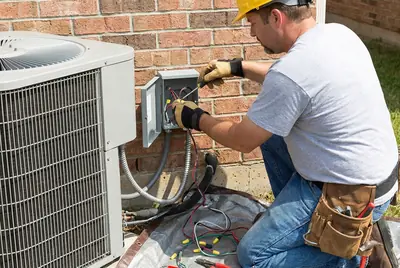
Installing flexible climate control units in Butte County
Properly installing these wall-mounted heat exchangers brings efficient temperature management to your home by moving air directly where you need it. Choosing this path avoids bulky ductwork and keeps your interior space looking tidy while providing precise zones for heating or cooling.
Getting these systems set up correctly allows you to enjoy quiet operation and lower energy bills throughout the seasons. Because this equipment functions without massive central vents, you gain valuable square footage and prevent dust from circulating through your house.
Why this technology works for your home
Modern wall units use advanced refrigerant lines to transfer heat between your indoor living area and the exterior environment. This process offers a highly efficient temperature regulation method that adapts quickly to changing weather conditions in the region.
Since every room gets its own wall-mounted head, you control the climate in individual spaces without wasting power on empty areas. This flexibility ensures your bedroom stays chilled while your living room remains cozy during the cooler months.
Key components of the setup process
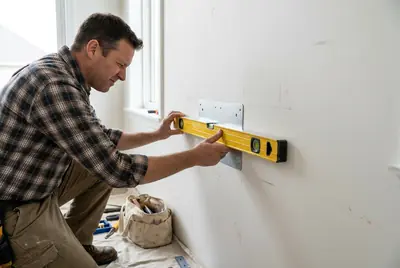
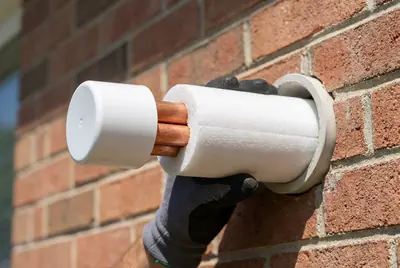
Experienced installers mount the indoor component high on a wall while placing the compressor unit outside your home. Connecting these parts requires a small hole for the lines, which keeps your building envelope intact and prevents drafts.
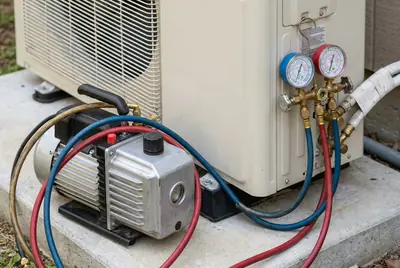
You should verify that the installer uses a vacuum pump to remove air and moisture from the lines before opening the refrigerant valves. Doing this simple step protects the system from internal corrosion and helps it last much longer.
| Feature |
Benefit |
| Ductless design |
Saves space |
| Inverter technology |
Reduces power waste |
| Remote control |
Adjusts settings easily |
What to look for in a local professional
Selecting the right person for the job involves checking for a valid contractor license and proof of insurance to protect your property. A skilled installation specialist who knows the unique local codes ensures the job meets all safety requirements from the start.
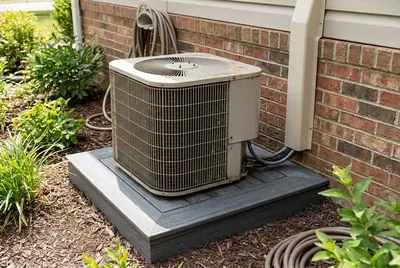
Asking for a written quote before work begins helps you understand exactly what the project involves without any hidden surprises later on. Proper placement of the outdoor unit on a solid base provides stability that prevents vibrations during heavy use.
Maintaining your indoor climate system
Regular cleaning of the air filters keeps the airflow strong and prevents dust buildup that could strain the internal motor. This simple habit keeps your machine running smoothly and maintains good air quality for everyone in the house.
If you notice a drop in performance, a quick inspection by a professional can often resolve minor refrigerant leaks before they become big headaches. A well-maintained cooling system provides a sense of ease that makes your home a much better place to relax.
Planning your system integration
Evaluating the heat load for each room allows you to choose the right capacity for your wall-mounted units. Getting this calculation correct means your rooms will reach the desired temperature without the system working too hard.
Thinking about where to place the units improves the overall flow and functionality of your interior layout. Strategically positioning these modern climate devices ensures you get the most out of your investment while keeping your home looking sharp.
Taking the next step
Completing your project starts with gathering information from local pros who understand the specific needs of buildings around here. You can ask for a detailed quote by explaining the size of your space and your specific cooling goals.
Sharing these project details with a pro gives you a clear path toward a more efficient home environment. Request a quote today to get the help you need to improve your indoor living conditions for the long term.