Getting your wall mounted climate system set up in Charlevoix County
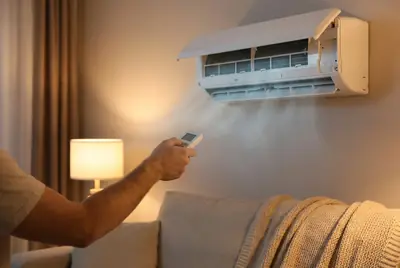
Installing these compact temperature control units requires precise placement of both the interior air handler and the exterior pump. You gain a highly efficient way to manage heat and cool air in specific rooms without needing clunky ductwork. This targeted approach keeps your home feeling pleasant throughout the changing Michigan seasons.
Why this technology changes your indoor climate
Beyond the basic cooling function, these systems use advanced inverter technology to keep your room temperature steady and quiet. That constant speed adjustment prevents the loud on and off cycles of older units. Which means you can enjoy a peaceful environment while the system works in the background to maintain your ideal setting.
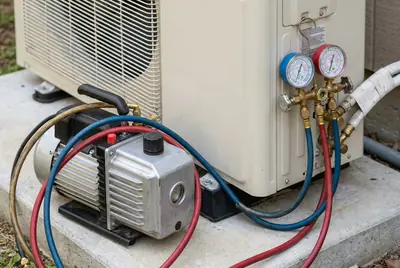
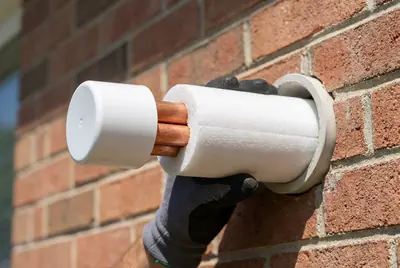
Because they utilize separate components linked by small copper lines, you avoid the heavy energy loss common in traditional forced air setups. This efficient heat transfer allows you to lower your monthly utility costs significantly. And that improvement in efficiency gives you more control over your household budget year round.
Essential steps for a successful setup
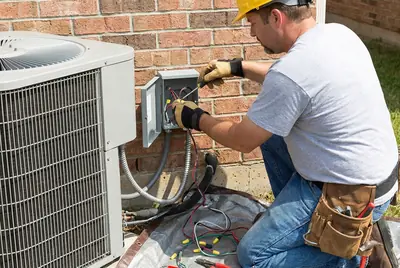
Seeking a skilled professional who understands local building codes ensures that every connection remains airtight and safe. You should always verify that your chosen installer holds proper insurance and carries the right state credentials for this work. Following these simple checks helps you find a reliable person to handle the delicate wiring and refrigerant lines.
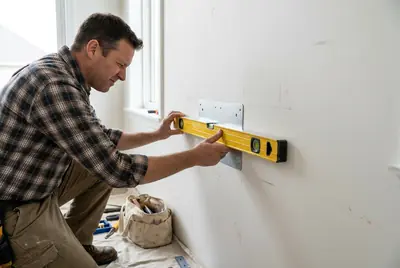
Proper placement of the interior head unit remains critical for even airflow and maximum reach within your living space. A smart setup involves mounting the unit in a spot that avoids direct sun while allowing for easy filter access. That careful planning delivers even temperatures and keeps your maintenance routine simple for years to come.
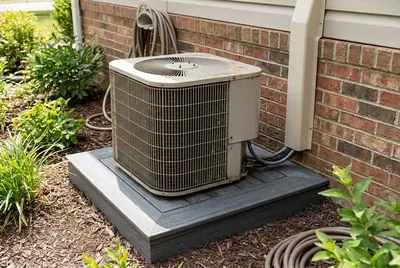
| Key Component |
Role in Your Home |
| Interior Wall Unit |
Distributes cooled or warmed air silently |
| Exterior Heat Pump |
Moves thermal energy effectively outdoors |
| Refrigerant Lines |
Connects units for seamless climate regulation |
What to watch for during the process
Sometimes the exterior wall needs a specific backing to support the weight of the interior unit safely. You want your installer to anchor the bracket directly into the studs to prevent any vibrations or movement. This sturdy mounting technique keeps the unit level and prevents potential leaks that could damage your walls.
Furthermore, proper drainage for the condensation line is a must to keep your floors and walls dry. If the pipe does not slope correctly, water might back up inside your home during humid days. Selecting a crew that understands these technical details protects your house from moisture issues and ensures long term reliability.
Now is the perfect time to address your cooling needs by getting connected with local pros for a custom plan. You can describe your specific room layout to receive a clear overview of the necessary labor and equipment. Simply reach out to request a personalized assessment and start your journey toward a better home climate today.