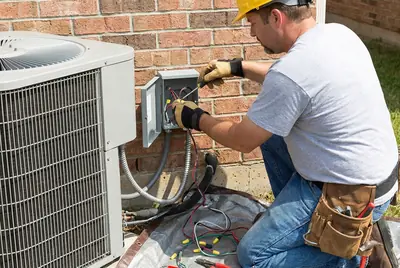
Why you need a ductless climate control system in Chester County
Installing a wall-mounted temperature management unit keeps your indoor space refreshing throughout the muggy Tennessee months. This efficient device uses an outdoor pump connected to an interior blower to circulate air without the massive energy loss of traditional metal ventilation networks. You gain total control over your thermal environment while lowering your utility consumption for the entire property.
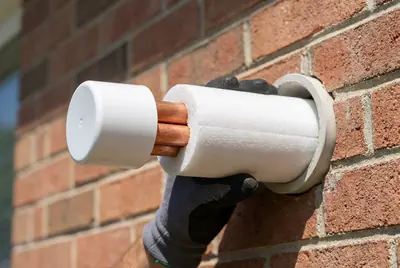
Getting this hardware setup effectively requires a professional who understands the local building codes. Finding a capable hand ensures that your refrigerant lines fit perfectly through the exterior walls. Proper execution prevents leaks and maximizes the longevity of your cooling hardware so you stay cool for decades.
Key advantages for your household
Choosing this technology offers a sleek way to maintain a pleasant atmosphere in any room. These units operate very quietly which means you can sleep or watch movies without loud mechanical humming noises. Another benefit is the flexibility to adjust the settings for individual zones rather than cooling an empty guest bedroom.
That targeted cooling capacity saves you money on your monthly energy bill immediately. Because you ignore the unused spaces in your residence, the equipment runs far less often. This shift in usage patterns improves the overall lifespan of the system components and keeps maintenance tasks simple.
Technical elements to check before installation
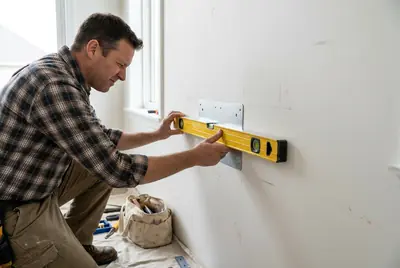
Inspecting the mounting location matters because the internal blower needs a clear path for airflow. A solid wall surface supports the heavy unit while preventing vibrations that might cause rattling over time. Placing the device away from direct sunlight also ensures the internal thermostat reads the ambient temperature of your room accurately.
Selecting the right size unit prevents short cycling where the hardware turns on and off too frequently. An undersized system struggles to manage the high humidity levels found around here during the peak summer. You should ask your local installer to calculate the exact cooling load based on your square footage and insulation quality.
| System Feature |
Benefit for You |
| Inverter Technology |
Consistent temperature without spikes |
| Multi-Zone Ability |
Customize climate room by room |
| Washable Filters |
Better air quality and lower costs |
Working with a professional for your project
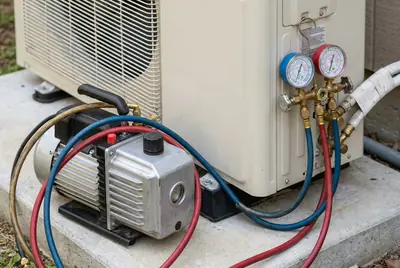
Hiring an installer who carries proper insurance protects your property during the drilling and electrical connection process. You must always confirm that the individual uses high-quality copper tubing for the refrigerant lines. A secure connection stops leaks before they start and keeps the system running at peak performance levels for years.
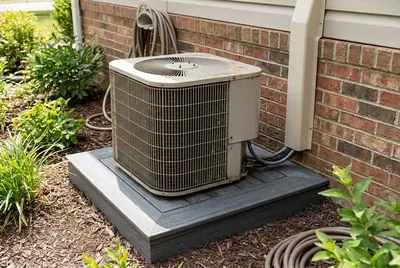
Asking for a detailed project plan helps you understand exactly where the exterior unit will sit on your lot. A clean and tidy appearance outside preserves the curb appeal of your home while staying out of the way. You should emphasize the importance of using a sturdy concrete pad to keep the pump level and stable.
Next steps to get started
Starting your home upgrade begins with a clear conversation about your specific heating and cooling needs. You should describe your layout and any problem areas that currently feel too hot or too cold. Providing these details allows the local pros to offer an accurate proposal for your unique residence.
Requesting a quote today helps you plan your home improvement journey with total clarity. You can evaluate the options suggested for your specific architecture and budget requirements. Getting an expert opinion on the best equipment placement remains the smartest way to reach your goals.