Finding an efficient temperature regulation system in Cibola County
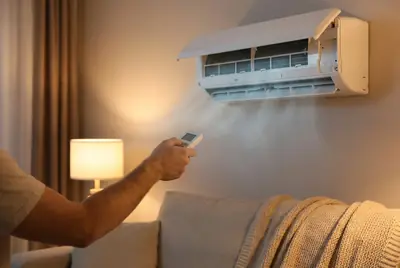
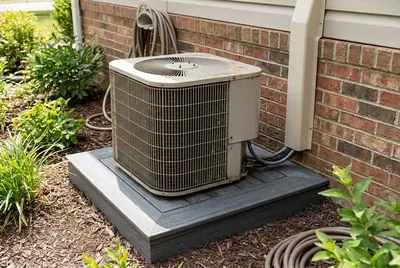
Installing a wall mounted climate control unit involves mounting an indoor air handler connected to an outdoor compressor. These systems provide quiet cooling and heating for specific zones inside your home without needing bulky ductwork. That compact design keeps your walls intact while providing reliable temperature control throughout the year.
Why these ductless systems work for your home
Modern wall units use advanced inverter technology to keep your rooms perfectly chilly or cozy as needed. Because these units do not lose energy through leaky metal ducts, you gain significantly better energy efficiency. This reduction in wasted air flow means you can stop overpaying for electricity every month while enjoying a much more consistent climate indoors.
Besides their efficiency, these units operate with incredible silence compared to noisy traditional central air machines. The outdoor component sits far away from your bedroom windows, which lets you sleep peacefully without mechanical humming keeping you awake. You gain a quiet sanctuary inside your house while the system does all the heavy lifting behind the scenes.
Key components for your installation
| Component | Function | Benefit |
|---|
| Air Handler | Distributes conditioned air | Precise temperature control |
| Compressor | Circulates refrigerant fluid | High energy savings |
| Remote Control | Manages specific room settings | Maximum user convenience |
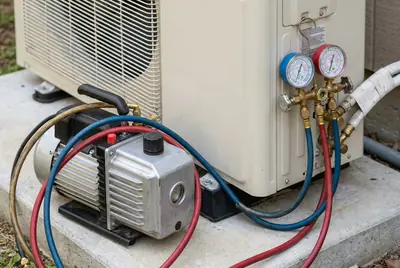
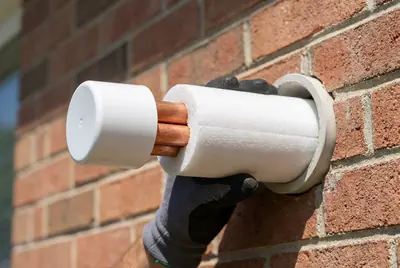
Looking at this hardware, you notice that a professional installer needs to create a small hole for the refrigerant lines. This connection creates a sealed loop, which prevents outside dust or allergens from entering your living space. Your indoor air quality stays much higher since you are not breathing in recirculated debris from dirty ventilation shafts.
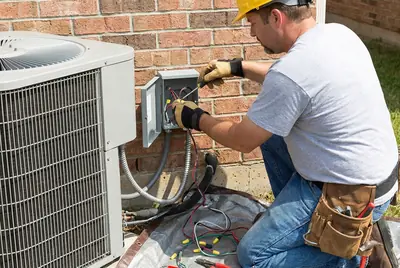
When you look for a local professional around here, verify they possess proper licensing for handling refrigerant chemicals. A skilled worker ensures the lines are insulated properly, which stops moisture from building up behind your drywall. Proper setup prevents expensive water damage and keeps the equipment running smoothly for many seasons to come.
Planning your setup around here
Considering the climate in this region, you need a system capable of handling temperature swings between day and night. High desert environments demand equipment that switches quickly from intense cooling to gentle heating. By choosing a unit with high seasonal efficiency ratings, you protect your wallet against the extreme weather common in this part of New Mexico.
Selecting the right placement for your indoor unit makes a massive difference in how well the room stays refreshed. You should avoid placing the device where sunlight hits it directly, as this tricks the internal sensor into running constantly. Positioning the unit high on an interior wall allows air to circulate naturally, which creates total relaxation in your favorite spaces.
Taking the next step for your home
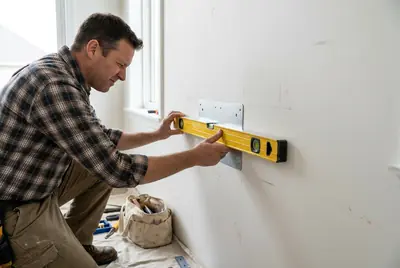
Deciding to move forward with a new wall unit requires finding a reliable pro to handle the electrical and mechanical connections. You want a technician who understands local codes and knows how to mount the indoor base plate securely to your studs. A sturdy installation ensures your equipment remains stable and quiet for as long as you own your property.
Requesting a formal quote lets you compare your options for a professional setup without any pressure or obligation. Be sure to describe your room dimensions and current wall construction to the local pro when you reach out. A quick conversation helps them determine the right capacity for your space so you can begin enjoying better temperature management soon.