Getting the best temperature control for your home in Comanche County
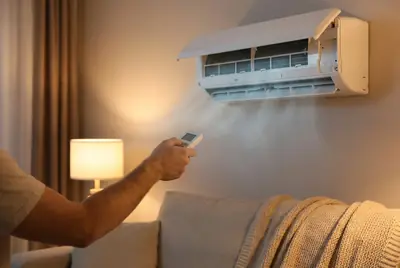
Choosing a wall-mounted system for climate control keeps your living space pleasant throughout the year. You gain precise thermal management without needing bulky metal ducts that gather dust and allergens inside your walls.
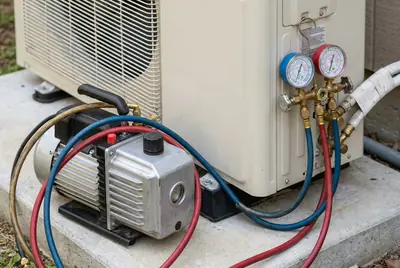
These units operate by connecting an outdoor condenser to an indoor unit through a small hole. Which means you can avoid major construction projects while upgrading your entire property. You simply enjoy a much higher level of physical tranquility during those hot Oklahoma summers.
Why this approach fits your needs
Installing a compact heat pump system allows you to manage temperature in individual rooms separately. This zoning capability prevents energy waste by not cooling rooms you rarely use during the day. That efficiency saves you money on monthly utility bills while maintaining a perfect environment.
The absence of ductwork eliminates the hidden energy losses found in traditional central heating units. You lose significant airflow through leaky connections hidden in attics or crawl spaces. Plugging those leaks with a ductless solution keeps the air flowing exactly where you need it most.
Key features of modern thermal units
Modern systems use inverter technology to adjust the motor speed based on current demand. That variable speed operation prevents the constant on and off cycles of older equipment. You get a steady flow of conditioned air that keeps your home feeling refreshed.
These devices are incredibly quiet when running at lower power levels. You might forget they are even on because the noise output stays very low. This silent operation provides a massive boost to your sense of serenity inside the house.
| Benefit |
Feature |
| Lower monthly expenses |
Inverter motor technology |
| Better air quality |
No hidden ductwork |
| Customized zone control |
Individual room thermostats |
What to look for in a local pro
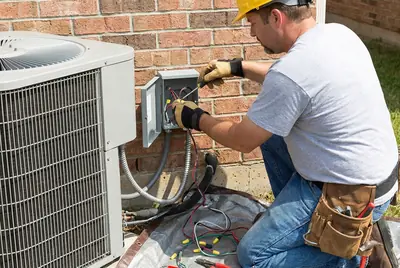
Finding a qualified professional around here requires checking for proper insurance and licensing. You should always ask if the technician understands the specific building codes for your town. Proper installation ensures the unit works efficiently for a long time.
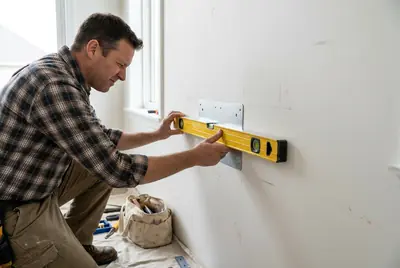
A good installer will walk you through the process before starting any physical work. You deserve a clear explanation of where the indoor unit will mount on your wall. That transparency helps you prepare your interior spaces before the equipment arrives at your door.
Checking the technical requirements
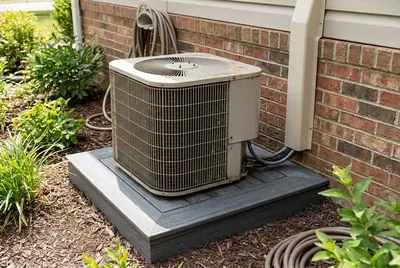
Your home needs a solid exterior wall to mount the heavy outdoor part of the system. Ensuring a stable base prevents vibrations that could disturb your rest at night. This hardware setup provides the repose you expect from a high quality climate solution.
| Component | Function |
|---|
| Condenser | Releases heat outside |
| Evaporator | Cools the interior air |
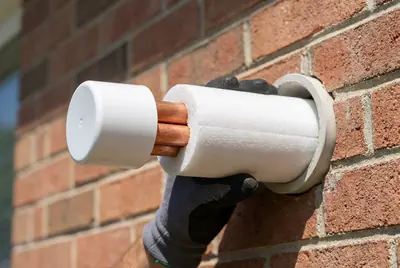
| Conduit | Protects the refrigerant lines |
Asking about the placement of the drainage line is also a smart move. You want to ensure that condensation flows safely away from your home foundation. Proper drainage keeps your walls dry and protects your investment from moisture damage.
Taking the next step for your home
Getting a custom plan for your property begins with describing your specific needs. You should provide details about the size of your rooms and the number of zones you want. That information helps local professionals give you accurate details for your project.
Start the process now by requesting a custom proposal for your home. You fill out a brief form to share your installation goals with the nearby trade pros. Once you submit your project description, you wait for a friendly response to move forward.