How to manage thermal zoning with a wall-mounted climate system in Custer County
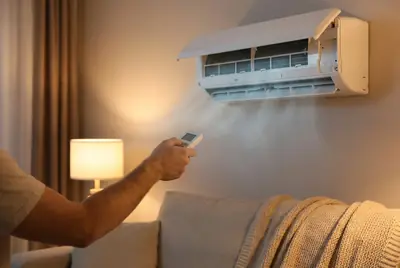
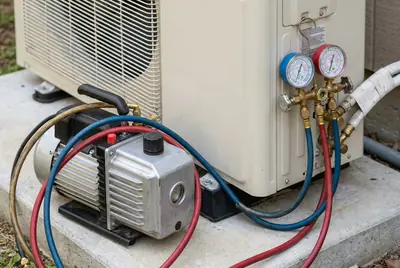
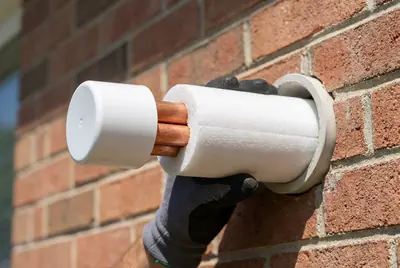
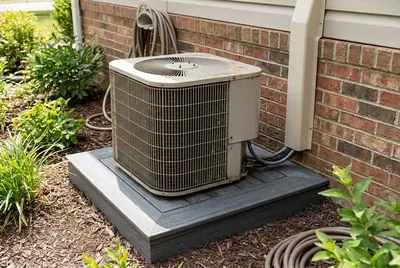
Installing a ductless temperature control unit provides a quiet and efficient way to heat or cool specific spaces in your home. This technology uses an outdoor condenser linked to indoor air handlers to regulate your environment without the need for bulky metal ventilation paths.
Because these units operate without ducts, you avoid the energy loss that typically happens when air travels through long tunnels in your walls. That heat loss reduction helps you maintain a consistent temperature throughout the rooms you use the most.
Why these systems fit the high altitude lifestyle
Choosing this setup allows you to create individual zones for different areas of your house. Which means you can keep your bedrooms chilly while your living room stays toasty during the cold mountain nights around here.
Since the mountains bring such varied weather, having the ability to toggle settings room by room adds a significant layer of thermal relaxation to your daily routine. Plus, the compact design ensures your views remain unobstructed by bulky hardware.
Technical details for your mountain residence
The primary benefit of this gear is the variable speed compressor that adjusts its power based on what your rooms need. Instead of constantly turning on and off like old units, it stays running at a low level to keep your air flow steady.
Another huge plus involves the filtration systems inside these units. This hardware captures dust and particles before they circulate, which helps you breathe easier in a dry climate.
| Feature |
Benefit |
| Ductless design |
Saves energy |
| Zone control |
Customized settings |
| Inverter technology |
Quiet operation |
Things to consider before moving forward
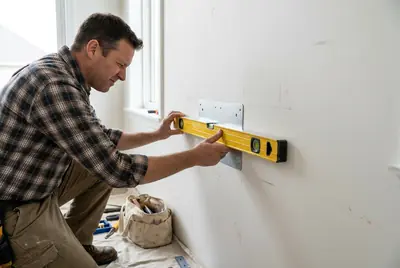
While the performance is impressive, you must ensure the wall mounting area is structurally sound to support the weight of the handler. And a good installer will verify that the electrical circuit can handle the load of a modern high-efficiency unit.
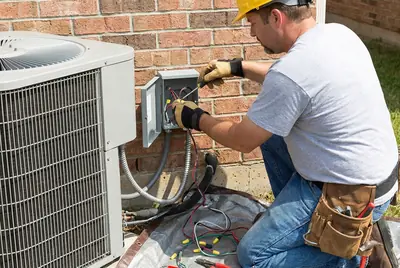
Checking for a licensed and insured installer is a smart move to protect your property and keep your project up to code. You should also ask for a written warranty to ensure the hardware is protected after the job is finished.
Ensuring long-term performance in Colorado
Keeping your system running well requires you to clean the filters every few months to prevent clogs. That simple task maintains the air circulation efficiency of your unit and prevents the motor from working harder than necessary.
If you notice weird noises or a drop in performance, a quick inspection by a local pro helps you address minor issues before they become major headaches. This proactive approach saves you cash over the lifespan of the equipment.
Key components to evaluate
When you look for a professional to help with this project, prioritize someone who understands the local building environment. A properly sized system makes all the difference when it comes to keeping your home at a pleasant level during extreme temperature shifts.
You also want to look for features like remote operation or smartphone connectivity. These additions let you adjust your home climate from anywhere, which gives you complete control over your energy usage throughout the day.
Ready to upgrade your home environment
Getting the right setup for your specific layout starts with a professional assessment of your rooms. You can easily connect with a local pro who offers a quote to discuss your needs and start the process of climate management today.
Simply describe your project requirements to find out how a wall-mounted setup fits your house. Taking this step ensures you get the optimal hardware for your space and a professional installation that lasts for many years.