Installing an efficient climate control system in Fillmore County
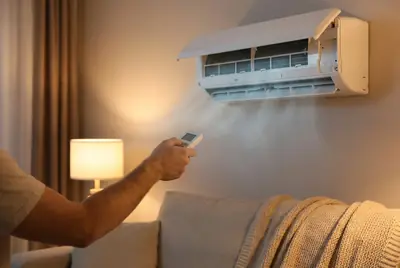
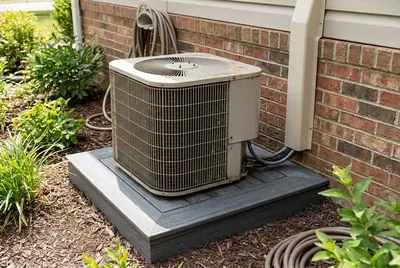
Getting a temperature management device installed in your home involves placing an outdoor compressor unit and connecting it to one or more sleek interior air handlers. This setup effectively regulates your indoor environment without needing bulky metal tubes in your walls. You gain precise control over specific zones while keeping your utility bills manageable during the hot Nebraska summer.
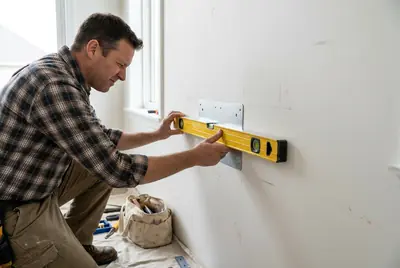
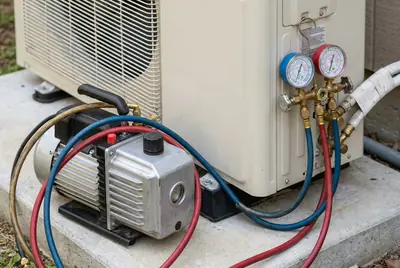
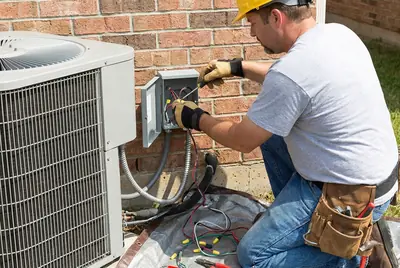
Installing these quiet devices requires a professional who understands the local building codes and electrical requirements. A skilled technician ensures that every refrigerant line is properly vacuumed and sealed to prevent leaks. That attention to detail helps the machinery run at peak performance for many years. You benefit from a setup that avoids the energy waste common in traditional central air systems.
Key components of a modern wall mounted cooling system
Every high performance unit consists of the outside pump and the wall mounted blowers that circulate air. These systems use inverter technology to adjust compressor speeds instead of simply turning on or off. This feature keeps your room at a steady temperature without those annoying cold spikes. You stay perfectly happy because your space remains at your preferred setting throughout the day.
Choosing the right capacity for your square footage prevents issues like short cycling or uneven cooling. A qualified installer performs a load calculation to verify that your unit is neither too small nor too large. Which means you can avoid excessive wear on your equipment while keeping your space perfectly chilled. You also get a system that removes humidity from the air to prevent that sticky feeling.
Why local residents choose these compact heating and cooling units
Many homeowners in the area appreciate how these systems allow for independent zone control in different rooms. You might want the bedroom icy cold while the living room stays a bit warmer. This flexibility stops you from wasting energy on empty rooms. It is a smart way to manage your household energy consumption while keeping everyone happy.
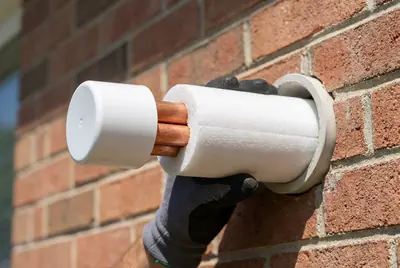
The installation process is less invasive than tearing apart your home for massive metal ductwork. Most systems only require a small hole in the exterior wall for the wiring and refrigerant tubing. That small footprint makes the upgrade much faster and cleaner for your household routine. You get to enjoy your improved living space without the mess of a long construction project.
Technical features for your home climate
| Feature | Primary Benefit |
|---|
| Variable Speed Motor | Consistent temperature control |
| Multi-Stage Filtration | Cleaner indoor air quality |
| Quiet Operation | Peaceful home environment |
| High Efficiency Ratings | Lower monthly utility costs |
Considering the climate in this part of the state, you need a system built for heavy use. A licensed and insured installer can recommend models that handle extreme temperature swings with ease. They check the electrical load to ensure your home wiring supports the new equipment. You should always ask about a written warranty to protect your investment over the long haul.
Maintaining your investment for lasting satisfaction
Regular maintenance remains the best way to keep your new system running smoothly all year. You should clean the air filters every few months to ensure proper airflow and efficiency. A technician can also check the condensate drain to prevent water buildup inside your walls. These simple steps keep the system quiet and reliable throughout the changing seasons.
Looking for a professional to handle your installation in the county is the logical next step. You can easily describe your home layout to a local pro and request a custom quote. This information helps them provide a tailored plan for your specific cooling needs. Start your journey toward better indoor comfort by reaching out for your quote today.