Finding the best way to handle temperature control in Frederick County
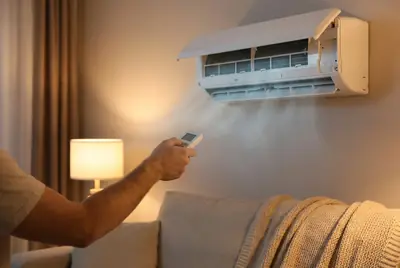
Installing a ductless heating and cooling system provides you with precise climate control for specific rooms without the need for bulky metal vents. This technology relies on an outdoor condenser paired with sleek wall-mounted indoor units to move thermal energy efficiently throughout your living space.
Getting these units set up correctly ensures you enjoy steady airflow and quiet operation throughout the changing seasons. Proper placement of the indoor blower allows for balanced circulation and prevents hot or cold spots from developing in your hallways or bedrooms.
Why this approach makes sense for your home
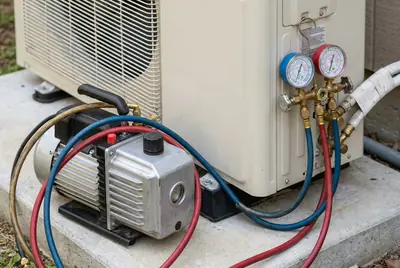
Choosing this method gives you total command over your indoor environment by letting you adjust temperatures room by room. It works by pumping refrigerant through narrow lines that connect the exterior hardware to the interior components.
That flexibility means you save energy because you only pay to condition the areas you actually occupy during the day. This is a huge benefit when you want to avoid cooling down the whole house just to stay chill in your home office.
The technical side of your climate system
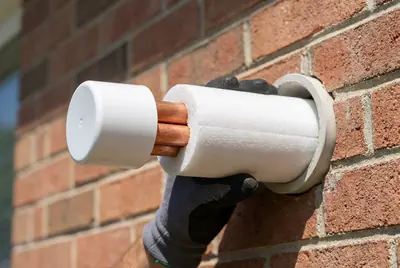
Mounting the hardware involves drilling a small three-inch hole through an exterior wall to run the lines. Professionals handle this carefully to protect your siding and prevent any air leaks from entering your building envelope.
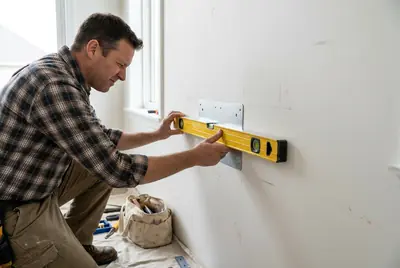
A high-quality ductless cooling setup requires a solid mounting bracket that keeps the unit level and secure against vibration. When the installation remains level, the internal drainage system works perfectly and keeps moisture away from your interior walls.
| Benefit |
Result for you |
| Inverter technology |
Steady temperature levels |
| Quiet operation |
Better rest at night |
| No leaky ducts |
Lower utility usage |
What to look for in a local professional
Selecting a team that understands local building codes ensures your new equipment meets all regional safety standards. You should ask to see a current trade license and proof of liability coverage before any work begins on your property.
A reliable installer will verify the electrical capacity of your existing panel to support the system. This check is vital because it prevents circuit overloads and keeps your home safe from electrical hazards during peak summer heat.
Key components of a successful setup
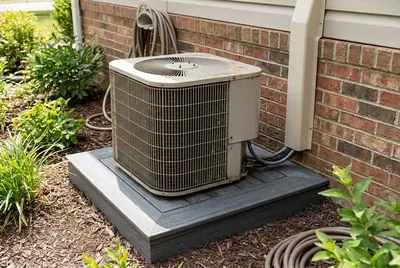
The placement of the exterior unit is just as important as the interior head for optimal performance. You want a high-efficiency pump located in a spot that stays clear of deep snow drifts and heavy debris.
That positioning helps the system breathe properly and prevents the coils from frosting over during cold winter nights. Proper clearance also makes it much easier for you to perform basic maintenance tasks like cleaning the filters.
Moving forward with your home upgrade
Understanding the scope of your project helps you prepare the site for the technicians arriving to help. Clear any furniture or decor away from the wall where the indoor unit will hang to give the crew space to work.
That preparation lets them focus on a quick and precise setup so you can enjoy your new atmosphere faster. Getting a professional assessment of your space is the best way to determine the right capacity for your square footage.
Getting the help you need today
Providing details about your specific layout allows a local pro to suggest the best placement for your needs. Mentioning the number of rooms you want to control helps them plan the refrigerant line paths efficiently.
Taking this step ensures you receive an accurate assessment for your specific property requirements. Simply fill out the form below to connect with local pros who can provide a quote for your project.