Finding the best way to handle temperature control for your house in Hancock County
Getting a ductless system installed in your home provides quiet cooling and heating without the hassle of bulky vents. These compact units mount right on your wall and link to an outdoor condenser to keep your rooms perfectly pleasant all season long.
This setup helps you avoid the energy loss that often happens with traditional ductwork in older Kentucky homes. Because you lose less air through leaky metal paths, your system runs much more efficiently. That saves you money on utility bills while keeping your living space feeling just right.
Understanding the hardware behind your thermal relief
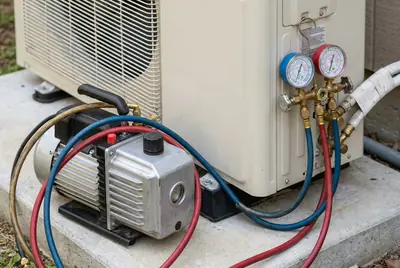
Modern units consist of two main parts that work together to move heat away from your indoor environment. You get an indoor air handler that sits discreetly on a wall and a sleek outdoor box that pulls the heavy lifting. This split design lets you control the climate in individual rooms instead of wasting power on the whole house.
Since these machines operate with inverter technology, they adjust their speed based on exactly what you need. This tech means they rarely turn on and off fully which keeps your power usage steady and low. You benefit from a constant flow of conditioned air that never feels like a sudden blast.
Key features of this climate technology
| Component |
Primary Function |
Benefit for you |
| Indoor Air Handler |
Distributes air quietly |
Maintains great ease |
| Outdoor Condenser |
Releases excess heat |
Saves electrical power |
| Inverter Motor |
Varies output speed |
Keeps temperatures stable |
| Copper Lines |
Carries refrigerant fluid |
Connects units cleanly |
What you should look for in a local installer
Choosing a pro in this part of Kentucky requires you to look for someone who knows the local climate well. You need to verify that your chosen worker has a proper license and keeps active insurance for your protection. Checking their history with similar projects helps ensure the work gets done correctly the first time around.
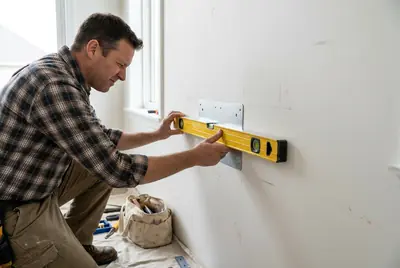
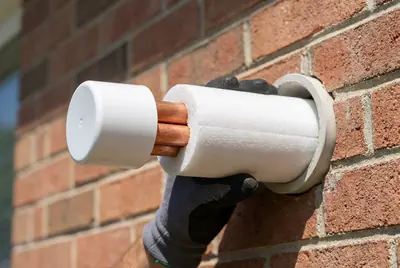
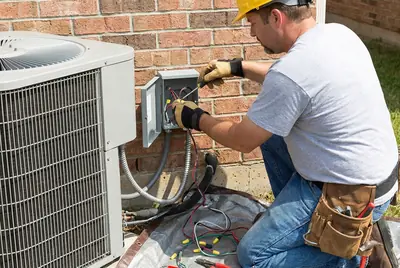
Ask them about how they handle the mounting and the electrical connections for your specific layout. A good technician will walk you through the process of drilling a small hole and routing the lines through your wall. This attention to detail prevents moisture issues and ensures your system lasts for many years to come.
Why you might pick this over central systems
Many homeowners around here prefer this choice because it does not require tearing up drywall or ceilings. If you live in an older property, avoiding ductwork modifications preserves the charm and structure of your building. This keeps your renovation costs down and gets your home cooled much faster than a full remodel.
Another huge perk is the ability to create zones throughout your different rooms. You might want your bedroom colder at night while keeping the living area warmer during the day. This independent control gives you supreme flexibility for your family and maximizes your daily satisfaction.
Important steps for your home project
Always insist that your pro checks the size of the unit against the square footage of your rooms. A machine that is too big or too small will struggle to perform correctly under pressure. Getting the sizing right ensures your system runs at its peak for your total enjoyment.
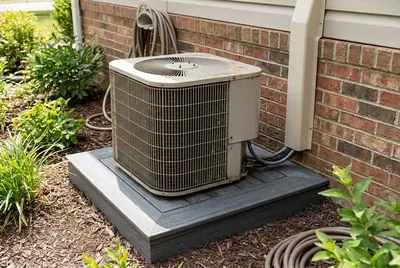
Once you have the sizing confirmed, make sure they verify the placement of the outdoor unit for proper airflow. This component needs a clear path to breathe so it can release heat into the local atmosphere. Proper positioning adds to the longevity of the hardware and keeps your monthly maintenance tasks very light.
Ready to start your climate improvement
Now that you know how these units provide superior climate control, you can move forward with your plan. Describing your specific needs to a local professional is the best way to move to the next stage of your project. Requesting a quote today helps you understand the requirements for your space so you can finalize your decisions.