Choosing the right wall-mounted climate control for Johnson County homes
Getting a ductless system installed brings precise temperature control to any room without the bulk of traditional ductwork. This solution relies on a sleek indoor unit and an external compressor to deliver air quietly and efficiently. You gain total control over your indoor climate while keeping your energy bills manageable throughout the long summer heat.
Modern wall-mounted units offer a high level of thermal regulation for individual rooms or additions that lack central ventilation. These systems operate with variable-speed compressors which adjust their output based on your specific cooling needs. That precision means you avoid the temperature swings that often plague older, less sophisticated central cooling setups.
Why this technology fits the local Texas landscape
High summer temperatures in the area make reliable cooling a necessity rather than a luxury. These compact devices excel at moving heat out of your living space quickly and quietly. Choosing this path provides a peaceful environment because the loudest parts of the hardware stay tucked away outside your home.
Efficiency matters when you want to keep your utility costs from climbing during peak heat. The absence of ducts prevents energy loss that typically happens through leaks in traditional attic piping. Which means you can keep your home feeling refreshed while saving on your monthly energy usage.
Key features to consider for your setup
| Feature | Primary Benefit |
|---|
| Inverter technology | Maintains steady temperatures |
| Multi-zone capability | Controls rooms individually |
| Quiet operation | Enhances your domestic serenity |
| Remote management | Adjusts settings from anywhere |
Advanced filtration remains a hidden perk of these systems as they catch dust and particles. Your indoor air quality improves because the system cycles through its internal filters rather than drawing air from dusty attics. That improvement creates a healthier atmosphere for everyone living under your roof during the pollen season.
What to expect from a professional install
Proper sizing remains the most important step to ensure your unit performs at its peak. A qualified technician will calculate the heat load of your space to match the capacity of the hardware. This ensures the system does not cycle on and off too frequently which causes unnecessary wear.
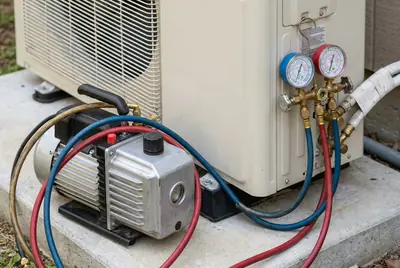
Checking for a licensed and insured installer will give you peace of mind during the mounting process. You should also ask about the written warranty offered by the manufacturer to protect your equipment. Reliable pros always verify the electrical requirements before they drill holes into your walls to run the refrigerant lines.
Installing the hardware for maximum performance
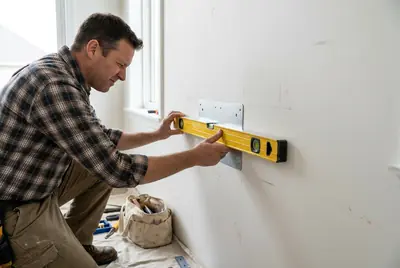
Placement of the indoor unit affects how well the chilled air circulates throughout your space. You want to avoid blocking the airflow with curtains or furniture to get the best result. Placing the unit high on a wall creates an even distribution of air that keeps every corner feeling crisp.
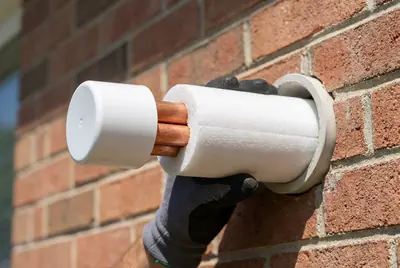
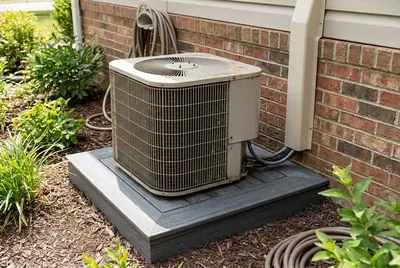
The external component requires a solid and level pad to prevent vibrations during heavy operation. Securing the lines and cables properly prevents moisture issues inside your wall cavities. That attention to detail ensures your new system provides long-term reliability and keeps your home cool for many seasons to come.
Taking the next step for your cooling project
Determining if your home needs a single unit or a multi-zone configuration starts with a quick assessment. Local pros serving the area can provide a detailed quote without any obligation on your part. Simply describe your project needs to get the conversation started and learn your options.
Gathering information now prepares you for the warmer months before the rush begins. Reach out to local specialists today to discuss your floor plan and cooling preferences. This simple action puts you on the path toward better comfort and lower energy use in your home.