Keeping your home cool and cozy in Kendall County
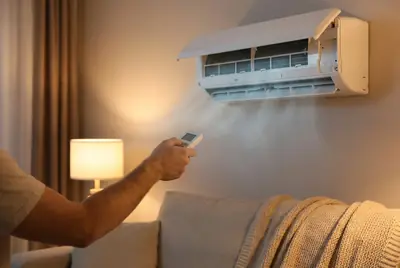
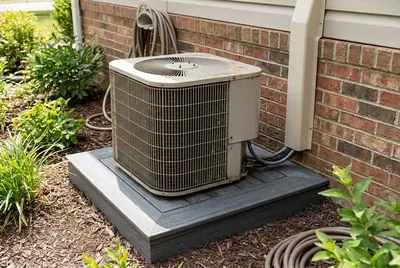
You can maintain perfect indoor temperatures by installing high efficiency ductless climate systems that avoid messy ventilation networks. This setup uses a compact exterior unit connected to sleek interior wall units to deliver targeted thermal control throughout your living space.
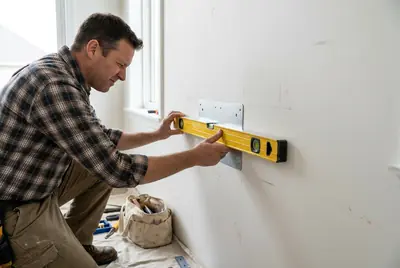
Getting these units installed by a qualified local professional means you avoid the typical headaches associated with traditional forced air setups. Because these systems lack bulky ducts, you lose less power during the heating or cooling cycles which helps you manage energy usage effectively.
Why choosing a ductless setup makes sense for your property
Modern homes around here often struggle with uneven hot or cold spots that make life feel less than ideal. A specialized wall mounted unit solves this by pushing conditioned air directly into the room where you need it most.
This direct approach removes the friction caused by leaky ductwork hidden in your walls or attic. Consequently, your utility bills may drop because the system works smarter rather than harder to keep your house at a steady temperature.
Understanding the mechanics behind the wall units
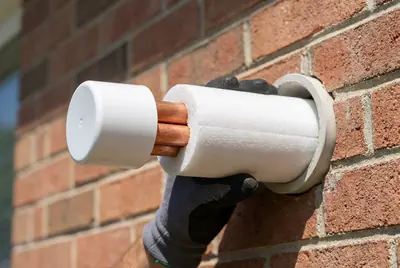
These sleek pieces of equipment work by absorbing heat from the air inside and moving it outdoors through small copper lines. This process allows you to zone your home so that empty rooms do not waste power while you relax elsewhere.
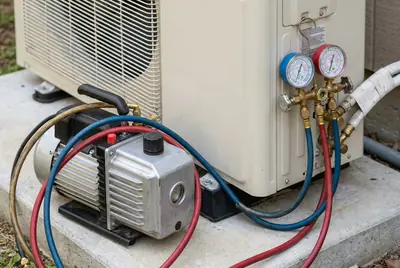
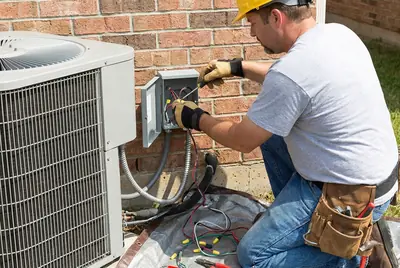
Having a pro handle the installation ensures that your refrigerant lines remain sealed tight and free of leaks. A sealed system performs better over time, and that durability gives you peace of mind throughout the changing Illinois seasons.
Essential features of high performance temperature control
| Feature | Primary Benefit |
|---|
| Inverter technology | Constant temperature control |
| Multi zone capability | Individual room settings |
| Quiet operation | Minimal background noise |
| Remote management | Easy control access |
Selecting the right size for your specific square footage prevents the unit from cycling on and off too frequently. That constant rhythm helps maintain a consistent environment, and the best part is that it reduces the wear on mechanical parts.
Checklist for a successful installation project
* Verify that your installer holds all required local building permits for the area.
* Ask for a detailed explanation of how the system drains away condensation during humid months.
* Ensure the placement of the interior head allows for proper airflow across the entire room.
* Request a written breakdown of the system capacity to match your home size.
Working with a local pro who knows the building codes in this county prevents future regulatory hurdles during your next property inspection. A well fitted system runs quietly in the background, which means you can enjoy a peaceful afternoon without the constant hum of older equipment.
How to get started with your installation plan
You should start by identifying which rooms in your house need the most attention during extreme weather. Once you have a clear picture of your needs, reaching out for a professional opinion allows you to compare your options without any pressure.
Simply provide the details of your project to local service providers to see how they can transform your living space. Taking this step lets you move toward a more efficient home setup today and secures your future state of thermal satisfaction.