Keeping your home at the perfect temperature without ductwork
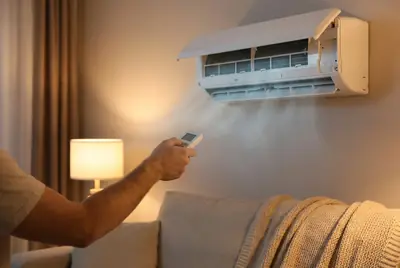
Installing a wall-mounted temperature control unit lets you manage climate zones in Natrona County without bulky vents. These systems push chilled or warmed air directly into rooms, which means you gain space while avoiding the mess of retrofitting traditional metal pathways through your attic or crawl spaces.
Because these units operate as individual heat exchangers, you avoid the energy waste found in leaky duct systems. This high level of efficiency keeps your monthly utility bills lower than old, outdated central systems. That efficiency creates a sense of thermal wellness inside your living room all year round.
Why this approach makes sense for your space
Traditional forced air systems often lose energy while moving air through long, dusty stretches of metal. Selecting a modern ductless solution lets you bypass these losses, so every watt of power actually impacts your indoor climate. This direct transfer process keeps your air quality high and stops you from heating empty rooms.
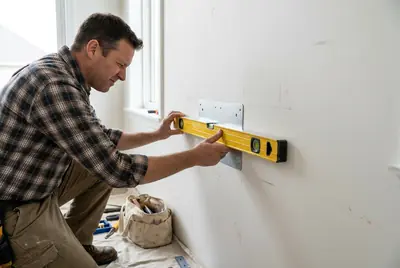
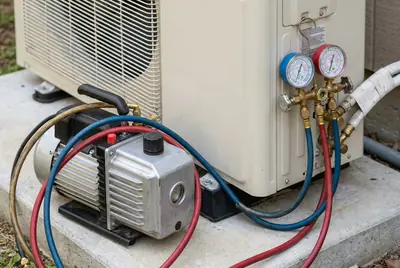
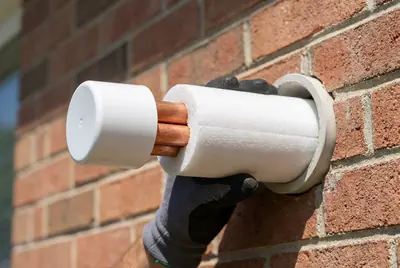
However, you should check that a licensed installer handles the refrigerant lines during the setup process. Proper mounting of the indoor head unit ensures a quiet operation, which allows you to sleep soundly even during extreme weather shifts. This quiet performance provides a level of acoustic serenity that loud, rattling central furnaces simply cannot match.
Getting the most out of your cooling and heating setup
Focusing on the placement of your air-handling unit makes a massive difference in how well the room stays cool. You want your installer to position the unit away from heat-producing appliances, which helps the thermostat read the room temperature accurately. This simple step leads to constant climate regulation that feels smooth instead of choppy.
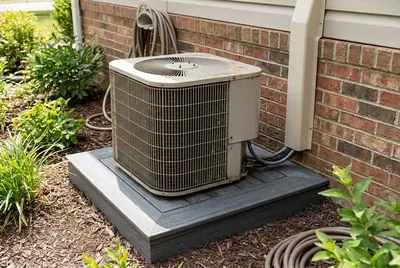
Since these units are compact, they fit nicely into bedrooms, home offices, or additions that stay too hot. You might worry about the exterior hardware being an eyesore, but modern cabinets look sleek and stay tucked away. This subtle exterior profile preserves your home aesthetic while delivering robust climate control throughout the Wyoming landscape.
| System Type |
Primary Benefit |
Best Use Case |
| Single Zone |
High Efficiency |
Small Apartments |
| Multi Zone |
Total Coverage |
Larger Houses |
What to watch for before starting your project
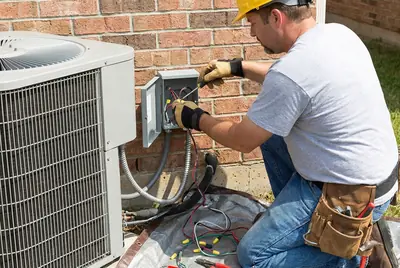
Ensuring your electrical panel can handle the extra load remains a vital first step for any homeowner around here. A qualified professional should inspect your wiring to confirm that the setup meets local safety codes. This caution provides system longevity and keeps your household safe during the cold winter months.
Furthermore, consider the drainage requirements for your new indoor wall units to prevent moisture buildup inside walls. A properly sloped condensate line lets water flow outside naturally, which protects your home from potential water damage. This technical precision results in structural integrity that lasts for many years to come.
Taking the next step for your property
Connecting with a local contractor who knows how to handle these specific units will save you significant time. You should request a custom plan that considers the unique layout of your square footage, which allows for an accurate project scope. This preparation ensures that you receive a fair price and a high-quality result for your specific needs.
Because every home in the county has different insulation needs, you must ask for an assessment of your window seals and wall thickness. These details affect the total capacity required to keep you feeling great, so clear communication is key. You are now ready to find a professional to discuss your needs, request a quote, and start your installation.