Optimizing your indoor air with ductless climate control in New Jersey
Getting a compact temperature management system installed provides precise cooling and heating for your specific rooms. These sleek units connect an outdoor compressor to a wall mounted blower to regulate air without needing massive metal tubes. This setup delivers targeted thermal relief that lowers your energy consumption while keeping your living spaces perfectly pleasant.
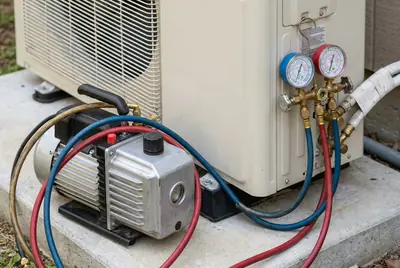
Finding the right local contractor for this job ensures your system runs efficiently for many seasons. You should look for a licensed and insured pro who knows the local building codes well. Properly setting up these wall units requires drilling small holes and managing refrigerant lines safely to avoid leaks.
The technical benefits of ductless systems
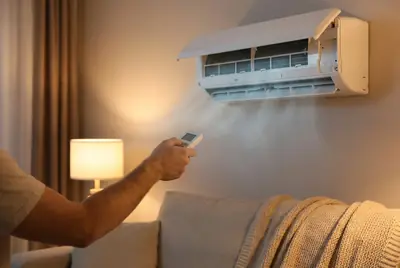
Choosing this equipment means you gain total control over the temperature in every single zone. Traditional central systems often waste power by conditioning rooms that nobody is currently using at the time. With these smaller units, you only activate the blower in the space you occupy.
This efficient operation saves you money on utility bills because you stop heating or cooling empty areas. The advanced inverter technology inside the compressor adjusts the motor speed to maintain a steady temperature. Which means you enjoy a quiet environment that never fluctuates wildly like older furnace setups often do.
Installing the hardware correctly
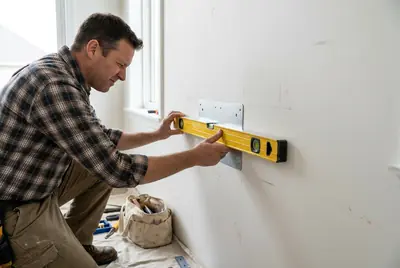
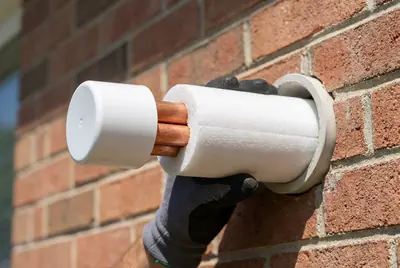
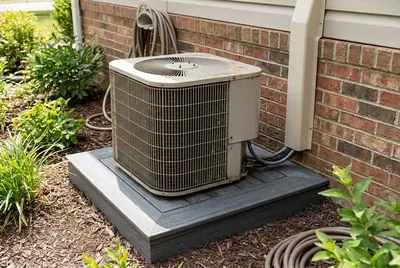
Installing a ductless heat pump requires a professional touch to ensure the refrigerant lines are sealed tight. A qualified installer will mount the indoor head on a sturdy wall plate to prevent vibrations. They then run the insulated lines through a small wall opening to reach the exterior compressor.
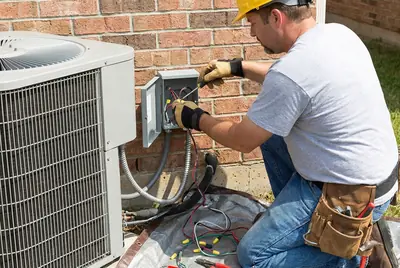
Connecting the wiring properly guarantees the system communicates between the indoor and outdoor parts. That connection allows the unit to monitor your room conditions in real time for maximum efficiency. Ask your pro about the best placement to keep your airflow unobstructed and your room feeling fresh.
What to consider before you start
Checking the load requirements for your home in this region helps you pick the right size equipment. A system that is too small works too hard and struggles to cool your space. Conversely, a unit that is too large cycles on and off constantly, which wears out parts.
Professional installers perform a heat load calculation to match the capacity to your square footage. This step ensures you get the right output for your specific layout and insulation levels. A well balanced system provides you with lasting satisfaction and keeps your indoor air quality high.
Maintaining your wall units
Cleaning the filters every few months keeps your air flow strong and prevents dust buildup inside. You can simply pop the front cover open and vacuum the mesh screens for better performance. This minor effort prevents clogs that force the fan to work harder than it should.
Schedule a yearly checkup with a technician who can inspect the refrigerant levels and electrical connections. A thorough maintenance visit catches potential issues before they turn into costly repairs later on. Keeping your hardware in top shape protects your investment and ensures reliable operation during hot summers.
Selecting the ideal setup
| Feature | Primary Benefit |
|---|
| Inverter Compressor | Saves electricity |
| Zoning Ability | Personalized temperature |
| Minimal Ductwork | No air loss |
| Wall Mounted Units | Saves floor space |
You should prioritize hiring a technician who offers a written warranty for their work. This documentation gives you peace of mind that the installation meets the manufacturer standards. Always verify the coverage details before the crew begins the project at your property.
Requesting a quote allows you to compare options from several qualified professionals around here. Tell them about your specific layout and the rooms that need extra attention during the year. Taking this step connects you with the right skills to improve your home environment today.