Keeping your home at the perfect temperature with ductless climate control
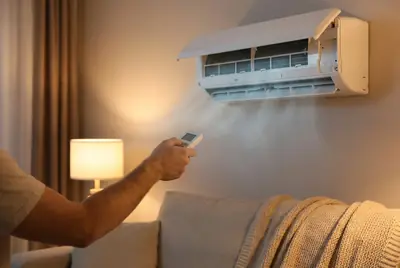
Installing a wall mounted heat exchange unit provides you with precise control over your indoor environment in Olmsted County. This type of cooling and heating gear allows you to regulate the temperature of specific rooms without the need for bulky metal ventilation paths.
You gain a massive boost in efficiency because these systems move air directly into the space you actually use. That means you avoid losing energy through leaky ducts that often hide in drafty attics or crawl spaces.
Choosing the right system for your space
Selecting the right capacity for your square footage ensures you stay cool when the humidity climbs during a Minnesota summer. You should look for a model that matches the volume of your room to prevent short cycling.
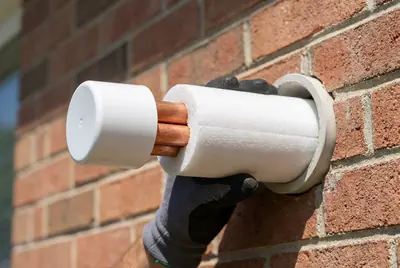
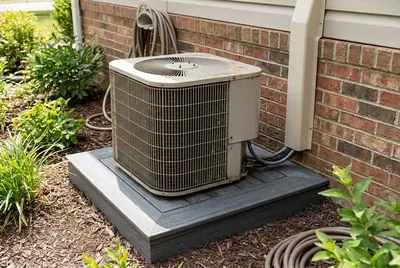
This equipment operates by pulling heat out of the interior and sending it outside through a small hole in the wall. Because the motor stays on the exterior of the house, the noise inside remains nearly silent while you sleep.
Installation steps for your residence
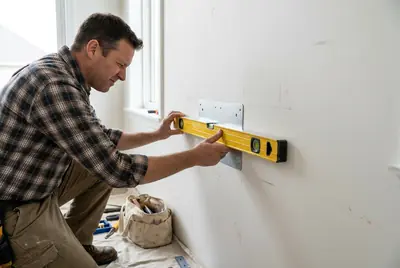
Mounting this type of gear requires careful placement of the interior air handler to ensure proper airflow. You want to avoid placing it behind tall furniture or curtains that might block the path of your fresh breeze.
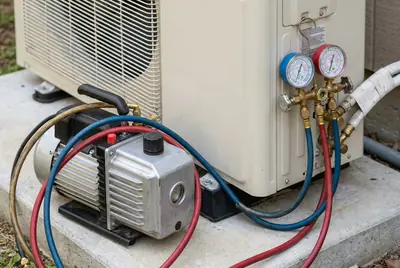
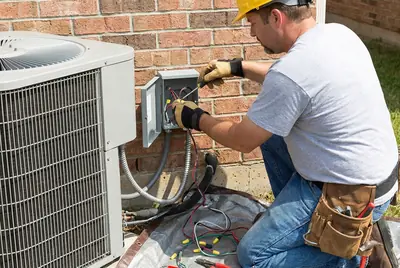
Properly connecting the refrigerant lines involves high pressure tubing that requires a steady hand and specific tools. That is why you should verify that your chosen installer holds a valid mechanical license and carries current liability insurance.
| Component | Function | Benefit |
|---|
| Interior unit | Air circulation | Quick temperature adjustment |
| Exterior condenser | Heat release | Quiet indoor operation |
| Remote control | System management | Total user convenience |
Maintaining your high efficiency setup
Regularly cleaning the dust filters inside your wall unit keeps the air moving freely throughout your living area. You can usually pull these screens out yourself to rinse them in the sink every few weeks.
This simple task prevents buildup that forces the motor to work harder than necessary for the same result. The outcome is a longer lifespan for your equipment and lower monthly energy bills for your household.
Working with a professional in the region
Finding a qualified technician around here starts with asking for their credentials regarding refrigerants and electrical work. You should ensure they understand the local climate demands and can provide a written plan for the placement of your lines.
Requesting a formal proposal allows you to compare the scope of work and the specific hardware being suggested. By checking these details first, you protect your investment and ensure the work adheres to current building codes.
Moving forward with your project requires just a few basic details about your current setup and your goals for the season. You can easily describe your space to receive information on potential solutions for your home. Reach out to local professionals today to see how this technology fits your specific needs and budget.