Getting optimal climate control in Pickaway County
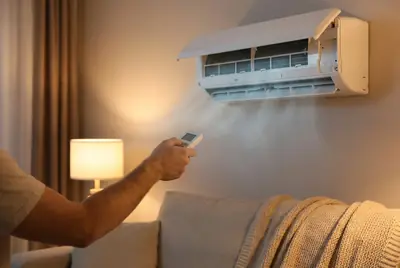
Installing a ductless temperature regulation system provides precise thermal management for your rooms without requiring invasive renovations. These systems use a compact outdoor unit paired with sleek wall-mounted indoor units to deliver quiet and efficient air conditioning or heating.
Choosing this setup creates a path toward lower utility bills and increased room-by-room personalization. Modern setups rely on inverter technology to adjust motor speed rather than cycling on and off repeatedly.
Why this technology works for your home
Temperature fluctuations vanish when you install these units because they move air directly into your living spaces. That direct delivery system minimizes energy loss compared to traditional forced air setups that leak heat through long ducts.
Energy efficiency stays high because you only cool the rooms you actually use throughout the day. This targeted approach prevents wasting power on empty areas of your house which improves overall operational economy.
Understanding the hardware components
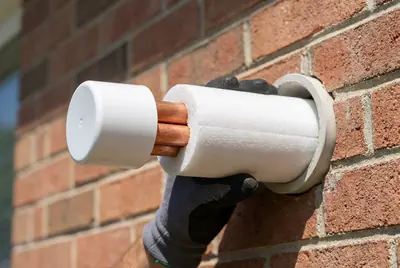
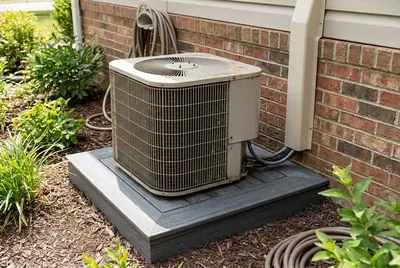
A ductless cooling system consists of a sleek evaporator unit mounted high on your interior wall. It connects through a small three-inch hole to the compressor sitting outside your residence.
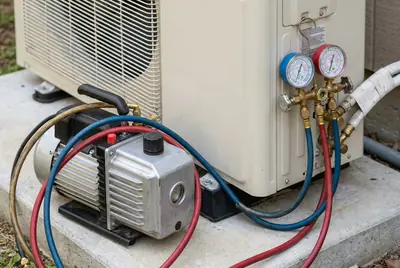
Copper refrigerant lines carry thermal energy between those two points with minimal effort. This design keeps your home architecture intact while providing a high level of thermal regulation throughout every season.
Essential features for local residents
Selecting a high-quality machine requires looking for a high seasonal energy efficiency ratio rating. A higher number indicates better performance during those humid Ohio summers that bring sticky heat to the region.
Checking for a remote control or smartphone integration allows you to adjust your settings from anywhere. This functionality brings great convenience because you can warm up the house before you arrive home.
| Feature Type | Primary Benefit for You |
|---|
| Variable speed motor | Smoother operation and lower power usage |
| Multi-stage filtration | Cleaner air quality in every room |
| Quiet mode settings | Peaceful rest without loud machine noise |
| Remote thermostat | Precise control of your desired temperature |
Choosing the right professional for the task
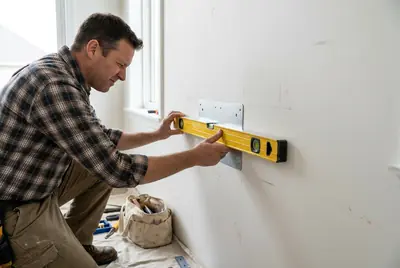
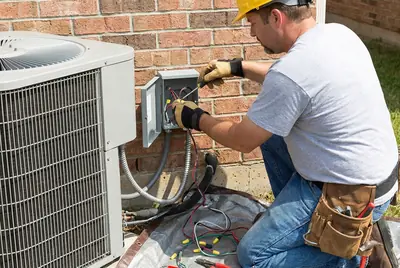
Finding a local pro to manage your mini split installation involves verifying their grasp of regional building codes. A skilled installer knows exactly how to place the unit for maximum airflow and drainage efficiency.
Asking for a license and proof of insurance protects your property during the mechanical process. This step ensures that your climate control project proceeds smoothly without any unexpected hiccups or technical errors.
Making the final decision
Proper placement of the interior blower matters for even distribution of conditioned air across your living zone. An experienced installer will measure your room volume to suggest the right capacity for your space.
Too small of a unit runs constantly without ever reaching the set point. Too large of a unit cycles too quickly and fails to remove humidity from the indoor atmosphere.
Taking the next step
Securing a comfortable environment begins when you reach out to discuss your specific needs. Requesting a professional proposal helps you compare options and understand the requirements for your unique home layout.
Gathering these details lets you move forward with confidence for your HVAC upgrade. Simply provide your project specifications to receive a prompt and helpful response from a local service provider.
Connecting with a qualified person ensures your indoor air quality stays fresh while your home stays temperate. Rely on professional expertise to handle the complex electrical and refrigerant work involved.
This specialized heat pump technology offers a refreshing way to manage your indoor environment year-round. Start your request now to get the process moving toward a more pleasant and controlled living space.