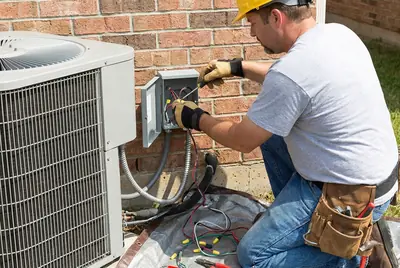
Mini Split Installation

Mini Split Installation in Walton County, Florida (FL)

All across Walton County, we hang ductless systems that heat, cool and hold their charge for the long haul.

Call (844) 609-4116

The call commits you to nothing. Any service-call or trip fee for an on-site visit is named when the date is set, and the written figure follows the visit.

500 micronsthe vacuum reading we hold before refrigerant moves
1 outdoor unitquietly feeding as many as eight indoor heads
3 inchesthe only hole your wall gives up to a lineset
-13 F outsidewhere a proper cold climate unit is still heating

Finding the best way to handle temperature shifts in Walton County

Getting a ductless system installed provides a powerful way to manage indoor temperatures without bulky vents. This setup uses a wall unit connected to an exterior pump for quiet heating and cooling. You gain total control over your room climate while avoiding the energy loss common with older central systems.

Understanding the machinery

Choosing this specific tech means you place a sleek indoor handler on your wall. That small box connects through a tiny hole to a unit resting outside your home. Which means you can skip the dust and allergens often trapped inside traditional ductwork.

This approach keeps your air flowing cleanly and maintains a steady environment. Those wall units run much quieter than those rattling old window boxes too. You will notice the difference immediately when the room stays perfectly chilled without any distracting noise.

Why locals prefer this method

Living in this corner of Florida brings humidity that can really test any cooling system. Modern ductless gear handles that moisture with ease because it constantly filters the air inside. This constant cycling prevents that sticky feeling in your house during the long summer months.

The efficiency of these units helps keep your power bills lower than older setups. Because you only cool the rooms you actually use, you stop wasting energy on empty spaces. That smart usage of electricity is a massive benefit for any homeowner around here.

What to check before you start

A professional installer should always verify your electrical setup before mounting any heavy components. You want someone who knows local building codes to ensure the wiring handles the load safely. Always ask for a licensed and insured person to handle the refrigerant lines properly.

The following table shows features that improve your home life significantly.

Feature Key Benefit
Inverter technology Saves significant energy
Multi-zone control Room-specific temperature
Silent operation Better rest at night

Proper placement remains vital for the system to reach its full potential. A good technician will suggest putting the handler away from direct sunlight or kitchen heat. That advice helps the internal sensors read the room temperature more accurately for your total satisfaction.

Taking the next step

Starting your project simply requires describing what you need for your living space. You can request information from local pros by sharing your home layout and specific goals. Getting a detailed quote helps you understand the scope of the labor involved today.

Please provide the details of your project to receive a prompt reply from nearby specialists. They will help you evaluate your specific square footage and insulation needs for the best results. Taking this action brings you closer to a cooler and much more pleasant house environment.


Size it, mount it, commission it

Three stages, and no shortcuts hiding between them. Most of this work is invisible from the couch, so here it is in plain words.

Size it: mini split installation stage

Stage 1

Size it

Every quote starts with arithmetic, not a catalog. We walk the rooms, note sun, insulation and ceiling height, and land on a capacity for each head. An oversized unit short cycles and never wrings the humidity out; an undersized one runs flat out and still loses the argument in August. The number has to be right before anything touches a wall.

Mount it: mini split installation stage

Stage 2

Mount it

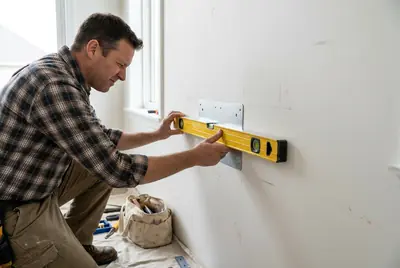
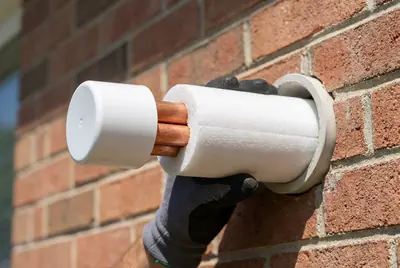
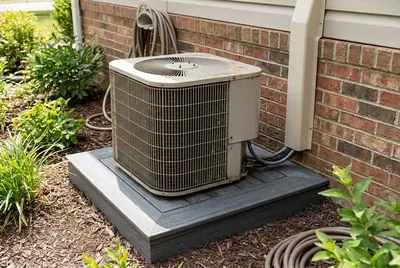
The indoor plate goes on studs or proper anchors, leveled twice, high enough to throw air across the room instead of down your neck. Outside, the condenser sits on a pad or stand-offs with clearance to breathe. The two meet through one small sleeved hole, pitched slightly outward so condensate drains away from the house instead of into it.

Commission it: mini split installation stage

Stage 3

Commission it

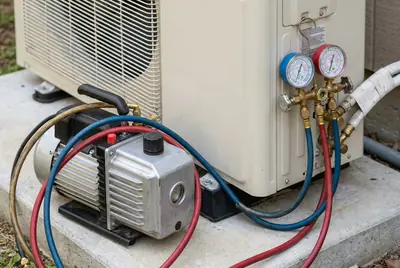
Flare joints are torqued to the value stamped in the manual, then the lineset is pressure tested and pulled down to a deep vacuum. Only when the gauge holds do we release refrigerant, and only in the weighed amount the run length calls for. Then we run it hot, run it cold, and show you both before packing the van.

One zone or multi zone

The honest answer changes house by house. Here is the trade in one table, including the case nobody advertises: two singles sometimes beat one multi.

The questionSingle zoneMulti zone
What hangs outsideOne compact condenser for one room
Refrigerant runsA single short lineset, simple and cheap to route
If a compressor failsThat room loses comfort, the rest of the house never notices
Running two roomsTwo singles can be cheaper than one multi and fail separately
Efficiency habitsTuned for its one room, sips power at part load
Adding on laterJust buy another single when the addition is built

When two rooms sit at opposite ends of the house, quoting two singles against one multi takes us ten extra minutes and often saves you real money. We price both and let the arithmetic pick.

The work you are actually paying for

Wall plates set level

Wall plates set level

Anchored into framing, checked with a level twice, because a head that tilts drips condensate down your paint.

Linesets flared by hand

Linesets flared by hand

Copper cut square, deburred, flared and torqued to spec. The joint you never see again is the one we fuss over most.

Condensers that can breathe

Condensers that can breathe

Pad or stand-offs, snow legs where winter asks, and clearance on every side so the fan is not chewing its own exhaust.

Vacuum pulled, then proven

Vacuum pulled, then proven

The pump runs until the gauge reads deep and stays there with the pump off. Moisture never gets a seat in the circuit.

A circuit of its own

A circuit of its own

Dedicated breaker, correctly sized wire, outdoor disconnect within sight of the unit. Wired to code, not to convenience.

Handover with the remote

Handover with the remote

Modes, schedules, filter care and the one habit that saves power: set it and leave it. Ten minutes that pay for years.

Why the vacuum pump matters

Between the copper being opened to the air and the refrigerant being released, the lineset holds ordinary room air, and room air always carries water. Water is the one passenger a refrigeration circuit cannot forgive. Mixed with refrigerant and oil it forms acids that eat the compressor from the inside, quietly, over two or three summers, long after the installer's van has left the street.

The cure is not a gadget, it is patience. A vacuum pump pulls the lines down until the air, and more stubbornly the moisture clinging to the pipe walls, has boiled away. We watch the gauge fall, valve the pump off, and wait. If the reading creeps back up, something is still wet or something leaks, and either way the system is not ready. Skipping that wait saves half an hour on install day and costs a compressor five years on.

Charge is the same discipline in a different unit. Refrigerant is not poured to a feeling; the correct amount depends on the length of the run and is measured on a scale, gram by gram. Too little and the system strains on cold mornings. Too much and pressures climb while efficiency slides. The scale and the gauge are cheap instruments, which is exactly why we trust installs that use them and doubt the ones that do not.

From first call to first cool evening

  1. Call the bench

    One call to (844) 609-4116: ZIP, the rooms giving you trouble and a word about the walls. Half a minute, and the clock starts.

  2. The installer listens

    On that same call an installer, not a script, asks about walls, panel capacity and which rooms misbehave in which season.

  3. The walkthrough

    We measure the rooms, find the head positions and the condenser spot, and leave you a written figure that holds.

  4. Install day

    Bracket, hole, lineset, wiring, vacuum, charge. A single zone is usually running by that afternoon.

  5. Both seasons proven

    Before we go, the system heats and cools on command in front of you, and the paperwork lands in your hand.

What sets the price of an install

The lineWhat it covers
Single zone, wall mounted, installed and commissionedHead, condenser, bracket, lineset, vacuum, charge and startup.
Each additional zone on a multi systemAnother head, its lineset and the commissioning that goes with it.
Dedicated circuit and outdoor disconnectBreaker, wire run and disconnect, priced with your panel in mind.
Condenser on wall stand-offs instead of a ground padWorth it where snow drifts, floods or lot lines argue with a pad.
Removing old window units and closing the openingsHaul away included; your windows seal and lock again.

Lineset length, wall construction and your electrical panel move the figure, which is why the on-site visit comes before the written quote.

The finish is part of the engineering

A mini split earns its keep for fifteen years, so the half day it takes to fit one should not leave scars. The wall penetration is drilled once, sleeved, pitched and sealed against weather and insects, with a drop cloth under it and a vacuum run over the dust before we straighten the furniture. Outside, the lineset does not dangle down your siding like forgotten cable: it travels inside a slim cover, run plumb and square, in a shade that sits quietly against the house.

Commissioning ends with a demonstration, not a wave from the driveway. You watch the system pull the room down in cooling, then flip to heating and feel the coil come up warm. Condensate gets a poured glass of water through the drain line while you watch it exit where it should. If any of that misbehaves in the first season, the crew that installed it returns under the workmanship terms printed on your quote, and the visit costs conversation, not money.

Questions we field at kitchen tables

What size does my room actually need?

Rough arithmetic says 20 to 30 BTU per square foot, but sun, insulation, ceiling height and how many bodies use the room all bend that number. The walkthrough pins it down per room. Bigger is not safer: an oversized head cycles instead of dehumidifying, and the room feels clammy at the right temperature.

Can one system heat and cool the whole house?

A multi zone with three to five well placed heads covers most single family layouts, and hallways borrow from the rooms around them. Very large or very chopped up houses sometimes do better with two smaller systems on opposite ends, which we will say plainly when the math points that way.

Do mini splits really heat in winter?

Cold climate models hold useful output far below zero, and the walkthrough checks your design temperature before we promise anything. In the harshest snaps a fireplace or baseboard backup earns its keep, the same way it would beside any heat pump.

How invasive is the installation?

One sleeved hole about three inches wide per indoor head, a bracket on studs, and a lineset cover outside. No ducts, no ceilings opened, no plaster repair. A single zone that starts at breakfast is usually cooling by mid afternoon.

Will my electrical panel need work?

Each system wants its own circuit and an outdoor disconnect. Panels with a free slot take that in stride; crowded ones may need a tandem breaker or, rarely, an upgrade. We look at the panel during the walkthrough so the quote already contains the answer.

Where on the wall should the head go?

High, on a wall that lets the air wash the length of the room, away from bed headboards and door swings, with a clean drain path outside. Placement is comfort engineering, not decoration, and it is decided standing in the room with you.

The streets around Walton County

Every link below is a place our installers already know by its walls and winters. The map sets the scene.

Room by room comfort across Walton County

Our install vans elsewhere in Florida

Somewhere in the house there is a room nobody sits in. Give it a head and a remote.

Call (844) 609-4116