Heating and cooling problems in your home can drive you totally crazy during hot summers and freezing winters. Getting a modern ductless system mounted by local pros brings fast climate relief to every room. You can request a free estimate today to fix your house temperature fast.
Why Your Home Needs Smart Ductless Temperature Control
Every single year, hot weather sneaks up on us and turns second floor bedrooms into literal saunas. Meanwhile, those chilly lake winds roll in later and freeze your toes off right through your socks. Traditional big noisy furnaces often fail to warm up those awkward back rooms, which leaves you shivering under three heavy blankets. Mounting a slick wall-mounted indoor unit connected to an outside heat pump compressor fixes these annoying climate issues instantly.
Furthermore, running bulky ductwork through old plaster walls costs way too much money and ruins your historic home charm. Modern compact heating and cooling setups require just a tiny three-inch hole through your exterior wall to connect lines. Therefore, you get powerful draft control without knocking down huge drywall sections or losing valuable closet space. My uncle actually tried installing one himself last spring, and let me tell you, watching him drop a heavy bracket was both hilarious and totally terrifying.
Besides that, custom climate setups give you complete power over every single room temperature independently. Kids want their bedroom cold like an ice rink while you prefer a cozy warm living room. Smart multi-zone setups give everyone their dream room temperature without starting huge family thermostat wars. Consequently, your monthly electric bills drop because you stop wasting big money heating totally empty guest rooms.
Understanding the Setup Process for Local Properties
Starting this home upgrade feels super smooth when you let experienced local contractors handle the tough mechanical stuff. First, a tech visits your property to measure total square footage and check electrical panel capacity. Next, they help you pick prime wall spots where air flows naturally without blowing directly onto your couch. Frankly, skipping proper load calculations leads to buying wrong sizes, which ruins your power efficiency fast.
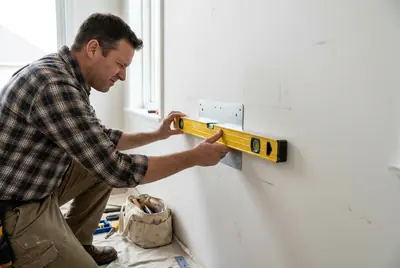
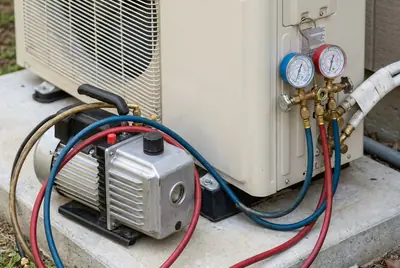
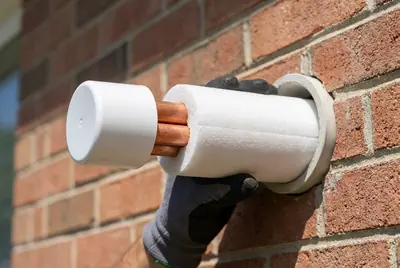
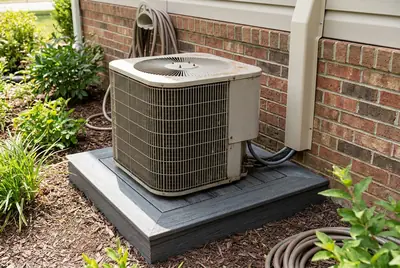
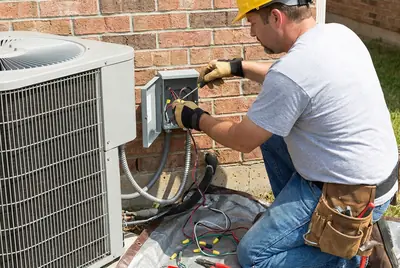
Afterward, the physical mounting work begins with securing strong hanging brackets straight into sturdy wall studs. Then, workers run durable refrigerant lines along with drainage tubing and high-voltage electrical wires outside to the ground pad. Honestly, getting those flare fittings completely airtight takes real professional experience and special copper flaring tools. Small leaks cause huge headaches later, so letting seasoned handymen run the vacuum pump guarantees top performance for years.
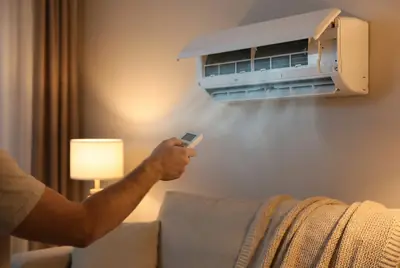
Finally, your installation team hooks up the outdoor condenser unit and thoroughly tests total system pressure. Next, they release fresh eco-friendly refrigerant into your copper lines and turn on the main breaker switches. Instantly, quiet refreshing air starts flowing throughout your space while the outdoor machine barely makes a quiet whisper. Actually, seeing that tiny remote control turn warm humid air into crisp icy breeze feels like magic.
Comparing Local Home Heating Options
Choosing the right heating and cooling setup for your household layout gets confusing real fast. Looking at real home data helps you make smart financial choices for your family budget. Below is a detailed comparison of common home climate setups to help guide your upcoming upgrades.
| System Type |
Install Difficulty |
Energy Use |
Room Control |
| Ductless Multi-Zone |
Very Low |
Super Low |
Individual Rooms |
| Central Furnace & AC |
High Demolition |
Moderate to High |
One Main Thermostat |
| Window AC Units |
Easy DIY |
Extremely High |
Single Room Only |
Looking at that table makes the decision pretty simple for most smart homeowners looking to save money long-term. Window boxes block outdoor sunlight, look totally ugly from your front sidewalk, and let buzzing bugs creep inside every summer night. Central air systems waste tons of cold energy inside leaky metal attic ducts before air even touches your living room floor. Plus, ductless machines give you total room customization with quiet operations all year long.
Financial Savings and Utility Benefits
Saving hard-earned cash stays top of mind for every local family working hard to stretch their household budgets. High-efficiency inverter compressors adjust their motor speeds continuously instead of slamming on and off like ancient noisy air conditioners. Thus, you avoid huge electrical surges that drive up power bills during peak summer heat waves. Over time, these daily power savings stack up to cover a huge chunk of your initial equipment cost.
On top of that, local power companies regularly offer sweet cash rebates for putting in modern high-efficiency heat pumps. These cash-back programs lower your initial equipment investment, making premium split climate setups super affordable right now. Additionally, custom wall units feature washable air filters that trap dusty floating dog hair and tiny pollen particles daily. So, your indoor family air stays fresh and clean while your wallet stays full of extra cash.
Naturally, property values take a nice little bump upwards when you install modern permanent heating and cooling units. Home buyers absolutely love seeing modern remote-controlled air handlers installed inside cozy attic conversions or updated brick bungalows. Which means you build solid home equity while enjoying supreme indoor warmth during icy winter months... talk about a total win-win scenario for your house.
Why Local Tradesmen Make All the Difference
Working with local neighborhood pros brings huge advantages over hiring massive unfeeling corporate chain stores. Local tradespeople live right down the street, so they understand local building codes and tricky regional weather shifts intimately. In fact, Cook County housing stock features unique historic brick structures that demand special drill bits and specialized masonry fasteners. Hiring regional experts guarantees your heavy outdoor condenser stays level even during massive muddy spring thaws.
Furthermore, local crews respect your personal home property by wearing clean shoe covers and dropping thick protective work canvas everywhere. They finish mounting work fast, clear away all cardboard trash, and carefully explain every remote control setting before leaving. Remember, a massive city packed with 2,718,555 residents means local word-of-mouth reputation matters more than flashy TV commercials. Local workers take serious personal pride in keeping neighbor homes delightfully warm and icy cool.
Besides, getting a reliable local quote costs you absolutely nothing and carries zero high-pressure sales tricks. Technicians inspect your current electrical layout, take precise room measurements, and write down clear flat-rate pricing on paper. Consequently, you know exact equipment costs before spending a single hard-earned penny on home upgrades. Taking control of your home comfort setup has never been easier or more straightforward for area homeowners.
Conquering Extreme Seasonal Weather Shifts
Severe seasonal shifts test the absolute limits of aging home heating and cooling systems continuously. High summer humidity makes living spaces feel sticky and gross, forcing your old AC unit to run nonstop all day. Modern wall-mounted air handlers feature special dry modes that strip thick moisture from indoor air fast without over-cooling rooms. Therefore, you enjoy crisp indoor comfort even when outdoor sidewalks feel like hot boiling frying pans.
When freezing winter blizzards swoop in, advanced low-ambient heat pumps keep extracting warmth from freezing outside air. Special outdoor drain pan heaters prevent ice build-up, ensuring your heat source runs smoothly during zero-degree nights. Honestly, staying cozy inside while harsh icy winds howl against your bedroom windows gives you absolute peace of mind. You never have to worry about sudden heating meltdowns during brutal middle-of-the-night winter freezes again.
Surprisingly, older heating systems like cast-iron radiators take forever to warm up chilly morning rooms after you wake up. Modern wall handlers respond instantly, blowing warm soothing air within seconds of pressing your remote start button. This fast response time lets you lower thermostat temps overnight, saving huge power dollars while sleeping under cozy blankets. Smart heating tech truly changes how you experience rough winter weather inside your home space.
Tailoring Solutions to Specific Property Types
Neighborhood homes around here come in all shapes, sizes, and architectural ages, from classic frame houses to sleek high-rise condos. Median household income around $55,198 means folks want smart, cost-effective climate upgrades that fit real family budgets nicely. Whether living in historic 60601 apartments or multi-family homes in 60602, flexible heat pump layouts match any floor plan. Tiny structural footprints make these systems absolute perfection for tight city lots and tricky property lines.
Likewise, older brick buildings across 60603 ZIP code neighborhoods lack space for bulky traditional ductwork branches. Running slim refrigerant lines through closet corners or exterior metal covers preserves historic interior woodwork seamlessly. Homeowners in 60604 love how whisper-quiet outdoor units keep peaceful backyards pleasant during weekend family barbecues. Customized multi-zone setups keep every floor balanced, eliminating hot top-floor bedrooms for good.
Even detached backyard garages, home offices, and sunrooms get instant climate upgrades without tapping into existing main furnace lines. Adding a independent single-zone setup transforms freezing winter workshops into comfortable year-round hobby spaces instantly. Plus, independent breakers prevent overloading older household electric circuits during high-demand summer afternoons. Whatever unique building layout you own, custom split equipment handles tricky layout spaces effortless.
Simple Maintenance Keeps Equipment Running Like New
Taking basic care of your sleek indoor air handlers requires zero complicated mechanical knowledge or expensive tools. Every few weeks, simply pop open the front plastic panel and slide out the reusable mesh dust screens. Rinse them under warm tap water in your kitchen sink, let them dry, and snap them right back inside. Clean filters maintain high airflow volume, keeping monthly power consumption super low all year long.
Meanwhile, taking a quick peek at your outdoor compressor unit ensures leaves and blowing yard debris do not block aluminum coils. Keeping two feet of clear space around the outside metal cabinet lets the fan breathe freely and dump heat quickly. Sometimes outdoor birds try building tiny twigs nests nearby, so giving it a quick visual check prevents motor problems before they start. Small quick habits save you big repair bills over the long lifespan of your system.
Finally, scheduling a quick annual tune-up with your local contractor keeps factory warranties valid and equipment running perfectly. Friendly techs check refrigerant pressures, flush indoor condensate drain lines, and tighten all high-voltage electrical terminal screws. This simple annual visit catches tiny minor issues before they turn into major costly middle-of-summer breakdowns. Taking good care of your equipment guarantees decades of reliable indoor physical comfort and pure peace of mind.
Take Action for Your Free Home Estimate Today
Staying miserable inside your own sticky hot or freezing cold home makes absolutely no sense when affordable answers exist nearby. Professional local contractors stand ready to visit your house, evaluate your space, and provide honest upfront cost figures. Getting a clear free quote gives you total control over your home improvement budget without any high-pressure obligations. Call your trusted local climate pros today and get ready to enjoy total indoor temperature mastery all year round!