Installing efficient climate control in Larimer County
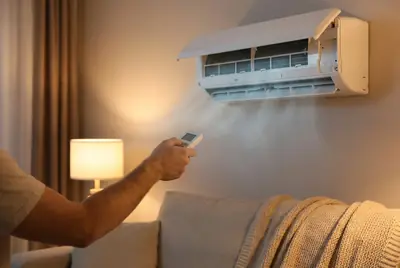
Getting a wall mounted heat pump installed brings precise temperature management to your home while avoiding the mess of bulky ductwork. These systems utilize compact indoor units paired with an exterior compressor to keep rooms cool during hot summers and cozy when winter chills hit the Rockies.
Because these units operate with inverter technology, they adjust their speed based on the actual cooling demand rather than just clicking on and off. That constant modulation saves significant energy, and the result is lower utility bills for you throughout the year.
Understanding your cooling hardware
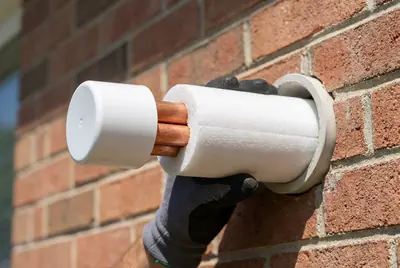
Selecting the right setup means looking at how these machines circulate refrigerant through small conduits hidden inside your walls. This design keeps the process quiet, which means you enjoy a peaceful environment without the rattling sounds of old fashioned central units.
Adding a multi zone configuration allows you to control different spaces independently according to your specific needs. That flexibility ensures you only pay to condition the rooms you actually use, and the benefit is a smarter way to manage your indoor atmosphere.
Key features for mountain living
High altitude performance is a crucial factor for this region since the thin air changes how heat transfers across coils. A system built for these elevations maintains its efficiency, and that resilience prevents mechanical strain during those intense peak temperature swings.
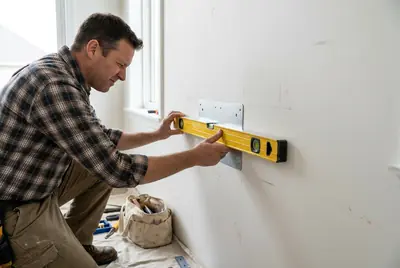
Proper placement requires a clear assessment of your interior layout to maximize airflow. A skilled professional will identify the optimal spot for the unit, and that strategic positioning ensures even distribution of air throughout your living space.
| Feature |
Direct User Benefit |
| Inverter Compressor |
Reduced monthly energy consumption |
| Whisper quiet fan |
Enhanced indoor serenity |
| Multi zone capacity |
Customized comfort per room |
| High altitude coils |
Longer equipment lifespan |
Installation steps and safety
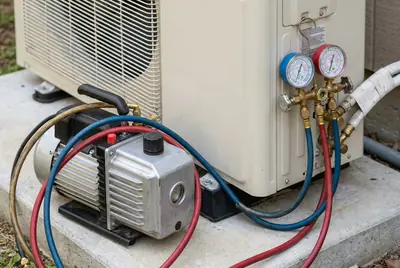
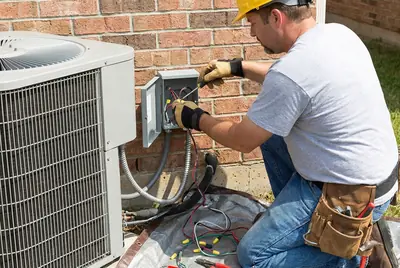
Working with a licensed and insured installer ensures the refrigerant lines are vacuumed and sealed to prevent any future leaks. This careful preparation is vital for system longevity, and it protects your investment from common mechanical failures caused by poor initial setups.
Asking for a permit confirmation proves the work meets local codes for this area. That verification gives you peace of mind, and it guarantees that your new setup adheres to the safety standards required for residential properties.
What to look for in a pro
Finding a reliable technician involves checking for a valid license and proof of insurance coverage before any work begins. Such documentation shows they take the job seriously, and it keeps you protected from liability issues if an accident occurs on your property.
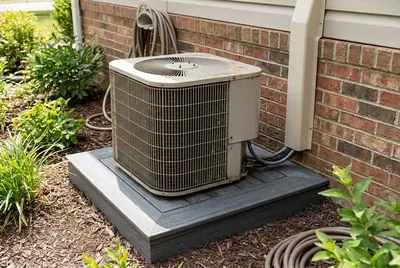
Requesting a detailed project plan helps you understand exactly where the exterior unit will sit on your foundation. This foresight prevents layout mistakes, and it allows you to maintain the visual appeal of your home exterior while upgrading your internal environment.
Ready to get started
Starting your project is simple when you reach out to local pros who know the specific demands of the terrain around here. You just need to describe your home layout, and you will receive a quote to move forward with your climate control upgrade.
Taking this step now means you will be prepared for the next change in weather. Simply provide your project details to request a quote, and you can enjoy a perfectly regulated space without any further delay.